Find Your Perfect Concrete Plant

Understanding Different Types of Concrete Plants Different components work together in a batch plant to provide the highest quality concrete. Types of mixers, such as the stationary and compact concrete plants, play a crucial role in the production process. The cement silos store the raw materials, while the screw conveyor transfers them to the concrete mixer truck for distribution. Quality products are essential for long-term use, making dry batching plants an ideal choice. In North America, high-quality concrete batch plants ensure a continuous supply of concrete for construction projects. Exploring Dry Mix Concrete Plants Dry mix concrete plants are designed for batching, mixing, and producing ready mixed concrete without using water in the process. This characteristic makes them well-suited for construction projects in cold weather conditions. Known for their high efficiency and low energy consumption, dry batching plants are ideal for projects where the highest quality concrete production is essential. Additionally, these plants often integrate dust collectors to minimize environmental impact, offering quality products for construction needs. Delving into Wet Mix Concrete Plants Wet mix concrete plants utilize a central mixer to create top-notch concrete. The addition of water to the mix of various components results in the production of ready-mix concrete. Their high production capacity makes them perfect for large construction projects, offering efficiency and minimal maintenance. These plants are capable of delivering high-quality concrete, meeting the demands of major projects with precision. Stationary Concrete Plant – A Robust Choice When it comes to long-term concrete production at a single location, stationary concrete plants are the ideal choice. These plants are synonymous with high quality, efficiency, and reliability, offering a wide range of sizes and production capacities suitable for various construction projects. Their robust construction ensures consistent, high-quality concrete production, making them perfect for high-capacity concrete production in construction projects. With a focus on high-quality products, these plants play a crucial role in ensuring the availability of top-notch concrete for construction needs. Applications of Concrete Batching Plants From ready mix production to precast applications, concrete batching plants play a vital role. The use of different components like cement silos and screw conveyors ensures the highest quality concrete batch. These plants cater to various needs, providing high-quality products in North America and beyond. Their versatility allows for long-term use in diverse construction projects, making them indispensable in the industry. Concrete batching plants play a crucial role in ready mix production, ensuring the supply of highest quality concrete. They efficiently batch, mix, and deliver concrete, meeting the demands of construction projects and ensuring consistency and quality. This process contributes to the timely and efficient completion of construction projects. The role of concrete batching plants in ready mix production is essential for construction efficiency, with different components like cement silos, screw conveyors, and concrete mixer trucks ensuring the production of high-quality concrete batch after batch. Eco-friendly Aspects of Concrete Batching Plants Concrete batching plants offer eco-friendly benefits such as addressing dust issues and controlling water pollution during operations. The use of compact and stationary concrete batching plants contributes to environmentally sustainable practices over an extended period. These plants also ensure the production of high-quality concrete with minimal impact on the environment, making them an ideal choice for construction projects in North America. By incorporating different components such as cement silos and screw conveyors, concrete batch plants are designed to produce the highest quality concrete while maintaining environmental responsibility. Implementing effective measures for water pollution control is imperative within concrete batching operations. Proper management of wash water, runoff, and stormwater plays a vital role in preventing water pollution. The utilization of settling basins, reclamation systems, and filtration can significantly contribute to controlling water pollution. Adhering to environmental regulations and best practices ensures responsible water management, fostering sustainable and environmentally friendly concrete production. These strategies align with the industry’s commitment to delivering the highest quality products while maintaining environmentally conscious practices. Compact Versus On-Site Concrete Batching Plants Compact concrete plants and on-site batching solutions offer unique benefits for different construction scenarios. Compact concrete plants are ideal for small-scale projects, offering portability and easy setup. On the other hand, on-site concrete batching plants provide the advantage of producing concrete directly at the construction site, eliminating the need for transportation. Understanding the specific requirements of each project is crucial for choosing between the two options, ensuring the highest quality of concrete production. On-site concrete batching plants offer cost efficiency by eliminating transportation expenses. They allow immediate response to project changes and ensure consistent concrete supply. Perfect for large-scale projects and remote construction sites, on-site batching plants streamline logistical challenges, ensuring steady concrete production on location. Mobile Versus Stationary Concrete Batching Plants When considering concrete plants, the choice between mobile and stationary concrete batching plants depends on the specific requirements of the project. Mobile plants offer flexibility and are ideal for projects requiring frequent relocations. On the other hand, stationary plants are suitable for long-term projects with a consistent demand for high-quality concrete. Understanding the differences in mobility, production capacity, and overall functionality is crucial in selecting the most appropriate batching plant for any construction project. Special Solutions for Unique Construction Scenarios Tailored solutions are crucial for complex projects, meeting specific requirements efficiently. Choosing the right concrete mixer is essential for optimal operations. Adaptable options ensure seamless integration of different components. Selecting batch plants, cement silos, and concrete mixer trucks is vital to ensure the highest quality concrete production. Specialized solutions address unique construction scenarios, providing long-term viability and sustainability. Quality products, including dry batching plants, compact concrete plants, and stationary concrete batching plants, offer reliable performance, especially in North America. Frequently Asked Questions Is it safe to live next to a concrete plant? Living next to a concrete plant can potentially pose health risks due to dust, noise, and emissions. The risk level depends on the type of operation, location, and regulations in place. It is recommended to research the specific concrete plant and its safety measures before making a decision. Consult with local officials
Benefits of Precast Concrete Structures

Understanding Precast Concrete Structures The production process of precast concrete structures involves the manufacture of components off-site, offering benefits like improved quality control and reduced construction time. Businesses often utilize precast concrete to create various structures such as walls, beams, and columns. Despite its advantages, precast concrete structures also have some disadvantages, including limitations related to size and transportation. In Australia, precast concrete is widely used for constructing buildings due to its durability and design flexibility. The Concept of Precast Concrete Reinforced concrete structures are manufactured using precast elements to ensure durability and minimal maintenance. In Australia, precast construction involves casting concrete into reusable formwork, allowing for efficient pre-fabrication. The detailing of precast components includes layout, reinforcement, and bracing, ensuring robustness. Additionally, precast concrete panels provide thermal insulation, enhancing energy efficiency. However, it’s essential to consider the disadvantages associated with precast concrete in construction projects. Structural Capability and Durability With high load-bearing capacity and stability, precast concrete structures demonstrate resilience, durability, and resistance to mildew. The stable final positions of precast elements, like wall panels, require minimal landscaping. Their robust reinforcement ensures long-term stability, making them sustainable choices for construction. Additionally, the manufacture of precast concrete elements in Australia minimizes disadvantages associated with on-site construction. Moisture Resistance and Fire Safety With superior fire resistance, precast buildings meet stringent building code requirements. The use of Portland cement in precast construction ensures high fire protection, while the thermal insulation provided by precast concrete elements reduces energy costs. Additionally, precast structures offer excellent moisture resistance, resisting rot and ensuring long-lasting, low-maintenance construction. Incorporating these features, precast concrete technology is a testament to modern engineering, offering durability, energy efficiency, and safety in construction. The Versatility of Precast Concrete Precast concrete offers extensive versatility in terms of shape, size, and surface finish flexibility. The precast components are manufactured with high precision, allowing them to be used for a wide range of construction applications. They can be employed in various structures, including residential, commercial, and industrial buildings. Additionally, precast concrete products are pre-engineered and can be customized to meet specific project requirements. Despite its advantages, it is essential to consider the potential disadvantages such as production limitations and transportation costs. Australia is a significant contributor to the precast concrete industry, with advanced technologies in place for efficient precasting processes. With the ability to achieve architectural and aesthetic goals, precast concrete panels offer a wide range of surface finishes, such as polishing. The construction of precast buildings allows for flexibility in layout and detailing, enabling creative landscaping integration and customization. Through durable reinforcement, precast construction ensures long-term structural integrity, contributing to the manufacture of high-quality, aesthetically pleasing structures. Utilizing precast concrete, manufacturers produce various building components like wall panels, beams, columns, and slabs. These elements find extensive applications in civil construction, commercial infrastructure, and precast buildings, where quick and efficient construction is crucial. The integration of precast into construction ensures high-quality and consistent results, offering a wide range of prefabricated building solutions. Why Opt for Precast Concrete Structures? Why should you choose precast concrete structures? There are several compelling reasons. Precast concrete offers speed and quality of construction, ensuring projects are completed efficiently. It is also a profitable and sustainable choice, providing long-term durability and low maintenance. Speed and Quality of Construction Manufacturing precast buildings in a controlled environment ensures high-quality results, significantly reducing construction times and costs. Utilizing precast elements for fast erection and completion, prefabricated concrete construction offers efficient completion, speeding up the construction process. Fast installation of precast concrete panels further contributes to the efficiency of construction, reducing overall construction times. Profitability and Sustainability Enhancing profitability in construction is achieved through fast completion and cost efficiency. Additionally, precast buildings showcase sustainability, durability, and minimal maintenance needs. Waste reduction in precast construction contributes to environmental sustainability, making it a profitable long-term investment. Furthermore, prefabricated concrete construction supports environmental responsibility by employing sustainable materials. These factors consolidate the profitability and sustainability of precast concrete structures, making them an ideal choice for modern construction. Exploring Precast Concrete Slabs Precast concrete slabs offer versatility in shape, size, and surface finish, allowing for customized designs to suit specific project requirements. The manufacture of precast concrete slabs is carried out in a controlled environment, ensuring high quality and durability. While precast concrete slabs have numerous advantages, it’s important to consider the potential disadvantages, such as transportation costs and limited flexibility in on-site adjustments. In Australia, precast concrete slabs are widely used in construction due to their structural integrity and efficiency. Efficiency under Diverse Weather Conditions Efficiently performing in diverse weather conditions, precast buildings offer durability and energy-efficient solutions. With efficient construction times and the ability to withstand extreme weather, precast structures ensure reliable performance. The panels expedite construction, contributing to the overall efficiency of the building process. This demonstrates the advantages of precast concrete in manufacturing durable structures that maintain their integrity under varying weather conditions. Energy Conservation Properties Energy conservation is a key benefit of precast concrete buildings. The thermal insulation properties of precast elements help minimize energy consumption, reducing heating and cooling costs. Additionally, precast panels provide high thermal mass, contributing to lower energy usage. This makes precast buildings an efficient choice for sustainable construction and energy-efficient design. With precast technology, construction projects can significantly reduce their environmental impact and improve energy efficiency. Precast Concrete and Design Considerations Design considerations for precast concrete center around efficient manufacturing processes, addressing construction challenges, and embracing architectural freedom. The pre-manufactured nature of precast concrete offers advantages like speed and quality of construction. Overcoming construction challenges with efficient design is crucial. Architectural freedom allows for innovative and aesthetically pleasing structures. However, it’s essential to address the potential disadvantages, such as higher transportation costs due to weight and size. Embracing these design considerations can lead to substantial benefits in construction projects. Overcoming Construction Challenges with Efficient Design Efficient design solutions in precast manufacture contribute to accelerated construction timelines, overcoming layout challenges on site. The rapid completion times associated with precast concrete construction
Fancy Concrete: The Art of Decorative Surfaces

Decorative concrete surfaces have become increasingly popular in the world of design and construction. These surfaces offer a unique and aesthetically pleasing alternative to plain concrete, adding a touch of elegance and sophistication to any space. With a range of decorative finishes, colors, and textures, homeowners and designers have the opportunity to create beautiful personalized surfaces that truly stand out. A distinctiveness of decorative concrete lies in utilizing natural Australian stone to achieve a unique appearance. This offers an avenue for expressing personal style through a variety of available decorative concrete finishes, creating a distinctive, natural stone-like finish that emulates the beauty of natural stone. Furthermore, decorative concrete adds a touch of elegance and uniqueness to pool areas, making it a sought-after choice for various outdoor applications. Decorative concrete finishes offer a durable and decorative solution for pool surrounds, enhancing the beauty of external areas. The range of finishes enhances the natural beauty of pool areas and adds beauty and integrity to external spaces. These surfaces provide a decorative, durable, and natural element to outdoor areas, making them an essential aspect of construction. Exploring Fancy Concrete Colors and Textures The variety of colors and textures available in decorative concrete offer limitless design options for indoor and outdoor spaces. Whether it’s a concrete patio or an exposed aggregate driveway, the versatility of plain concrete combined with different finishes, such as stamped or stenciled concrete, provides a unique appeal. From the earthy tones of limestone to the vibrant hues of phoenix, decorative concrete can be customized to suit any aesthetic preference. Whether it’s for retail stores in Australia or residential use, the myriad possibilities of decorative concrete make it a go-to choice for enhancing the visual appeal of any space. Colored Finish Colored concrete finishes elevate external spaces with decorative flair and a diverse color palette, catering to individual style preferences. They serve as an ideal choice for enhancing the visual appeal of pool areas and pathways while upholding the structural integrity of plain concrete. Additionally, these durable finishes are specifically designed to add decorative charm to pool surrounds, making them an excellent choice for both residential and commercial applications, including retail stores, concrete patios, and driveways. Rock Salt Finish Creating a textured finish for pool decks and walkways, rock salt finishes incorporate natural Australian stone, providing a high gloss surface. Elevating outdoor areas, these finishes offer the beauty of natural stone while maintaining the integrity of concrete. As part of the decorative concrete range for outdoor areas, rock salt finishes are a popular choice for enhancing outdoor spaces. Decorative Concrete for Indoor and Outdoor Use Decorative Concrete for Indoor and Outdoor Use: Incorporating decorative concrete in indoor spaces can enhance the aesthetics of plain concrete floors. Additionally, choosing the right type of concrete for an outdoor area, such as a concrete driveway or a concrete patio, can significantly improve the overall look of the space. Retail stores and commercial spaces can also benefit from decorative concrete finishes, making it a popular choice in Australia. It’s important to consider the local climate and environmental factors when using decorative concrete outdoors, as certain finishes like exposed concrete may be more suitable for regions with harsh weather conditions. Advantages of Indoor Decorative Concrete Indoor decorative concrete floor finishes provide a durable and stylish flooring option, including polished surfaces that offer a high-gloss, decorative element. These floors offer a range of color and finish options and maintain the integrity of the concrete surface. The decorative concrete range includes various finishes for indoor areas, making it a versatile choice for residential and commercial spaces. Enhancing indoor areas with decorative concrete also ensures long-lasting durability and aesthetic appeal, making it a popular choice for retail stores, homes, and offices. Using Decorative Concrete for Outdoor Applications Enhancing outdoor spaces with decorative concrete surfaces presents a durable and aesthetic choice for external areas. With various finishes available for pool surrounds and pathways, decorative concrete can be effectively utilized to elevate the overall appeal of outdoor spaces, maintaining the integrity of the concrete surface. The range of decorative concrete extends to a variety of outdoor applications, offering a versatile solution for outdoor design and landscaping projects, including concrete patio and driveway installations. This wide range makes it a popular choice for both residential and commercial outdoor areas. Decorative Concrete Floor Finishes Exploring a Variety of Decorative Floor Finishes When it comes to decorative concrete floor finishes, there is a wide range of options to choose from. From polished concrete to stained concrete and epoxy coatings, each type of finish offers its own unique attributes and benefits. These finishes can be used for indoor and outdoor applications, providing versatility and durability. Additionally, incorporating colored finishes and rock salt finishes can elevate the aesthetic appeal of plain concrete surfaces, making them ideal for retail stores, concrete driveways, and even patios. Polished Concrete A popular option for both residential and commercial spaces, polished concrete offers durability and low maintenance. The process involves grinding and polishing the surface to create a smooth, glossy finish. Customizable with various colors, patterns, and textures, it provides a unique look. Its eco-friendly nature has boosted its popularity in design, offering a sustainable flooring choice. Regular cleaning and proper maintenance are essential for preserving its appearance and extending its lifespan. Stained Concrete Applying acid or water-based stains to concrete surfaces can create vibrant colors and patterns. Stained concrete is a cost-effective alternative for both indoor and outdoor flooring. Maintenance is easy, requiring occasional resealing and waxing. Customization options include stenciling, scoring, and engraving techniques. The unique look makes stained concrete a desirable choice for interior and exterior spaces. Epoxy Coatings Epoxy coatings offer exceptional durability, chemical resistance, and easy maintenance for decorative concrete surfaces. Customizable with various colors, patterns, and textures, they provide a visually unique finish. Professional installation ensures a seamless, crack-resistant surface suitable for concrete floors, walls, and countertops, enhancing longevity. Properly preparing the surface through cleaning, repair, and ensuring adhesion is crucial before applying epoxy
Concrete Repair: Effective Strategies for Successful

Understanding the Importance of Concrete Repair Concrete structures play a vital role in modern construction, serving as the foundation for buildings and infrastructure. Regular maintenance and repair are crucial to extend the life of a structure and ensure its safety. The root cause of steel corrosion within concrete, if left unaddressed, can compromise the integrity of the entire structure. Through years of research, products like Sika pore fillers and Sika concrete repair mortars have been developed to address these issues effectively, preserving the reinforcement steel bars and ultimately extending the life of a structure. Regular repair and maintenance of concrete structures are crucial for prolonging the lifespan of a building. By addressing damage early, the need for extensive repairs can be minimized, ultimately saving time and money. Years of research have shown that the root cause of steel corrosion in concrete is a primary concern. Regular maintenance helps identify issues with reinforcement steel bars, allowing for timely intervention. Utilizing high-quality products such as Sika pore fillers and Sika concrete repair mortars can effectively extend the life of a structure. Identifying Common Causes of Concrete Deterioration Reinforcement steel bars, also known as rebar, play a crucial role in the structural integrity of concrete. The root cause of steel reinforcement corrosion within concrete structures has been a subject of years of research. Natural factors such as exposure to harsh weather conditions and chemical reactions can significantly impact the life of a structure. Understanding these common causes, such as carbonation and chloride ingress, is essential for effective concrete repair and maintenance. Sika concrete repair mortars and sika pore fillers offer reliable solutions to mitigate the effects of deterioration. Years of research have shown that natural factors play a significant role in concrete damage. The root cause of steel corrosion within the concrete is often attributed to natural elements such as water, oxygen, and chloride ions penetrating the concrete and reaching the reinforcing steel bars. The intrusion of these elements initiates the corrosion process, ultimately impacting the life of a structure. Therefore, understanding how natural factors interact with concrete is crucial for effective concrete repair and maintenance. Sika concrete repair mortars and pore fillers are designed to address these specific challenges, offering reliable solutions for tackling natural-induced concrete damage. Choosing the Right Products for Concrete Repair Identifying the appropriate products for concrete repair is crucial to ensure long-lasting and effective solutions. Products such as reinforcing steel and sika concrete repair mortars have undergone years of research to provide durable and reliable options. Understanding the root cause of steel corrosion is essential when selecting suitable sika pore fillers and steel reinforcement bars to extend the life of a structure. By considering these factors and choosing the right products, such as steel reinforcement and anti-corrosion slurry, one can effectively address concrete repair needs with professionalism and expertise. Considerations for Selecting Repair Materials When selecting repair materials for concrete, it is crucial to consider the root cause of steel corrosion. Years of research have led to the development of various products such as sika concrete repair mortars and sika pore fillers, designed to extend the life of a structure. Additionally, the choice of reinforcement steel bars, also known as reinforcing steel, plays a significant role in ensuring the durability and strength of the repaired concrete. Careful consideration of these factors is essential for the successful and long-lasting repair of concrete structures. Popular Brands and Their Features Years of extensive research have led to the development of high-quality concrete repair products. Leading brands such as Sika offer a full range of products, including reinforcing steel primers, sika pore fillers, and concrete repair mortars, to address the root cause of steel corrosion and extend the life of a structure. By incorporating advanced technology and innovative formulations, these brands have become synonymous with reliable and long-lasting concrete repair solutions, effectively preventing further corrosion of steel reinforcement. Step-by-step Guide to Successful Concrete Repair Assessing the damage: Begin by thoroughly examining the extent of concrete deterioration and identifying the root cause of steel corrosion. Consider factors such as weather, water exposure, and the age of the structure. Utilize reinforcing steel inspection to assess the integrity of the structure’s framework. Thorough and accurate initial assessments are crucial in determining the extent of damage and identifying the root cause of concrete defects. This evaluation process is essential for devising an effective and strategic repair plan while also identifying areas of low concrete cover, chloride ingress, and chemical exposure. It involves years of research to understand the root cause of steel corrosion and ensure the reinforcement steel bars and steel structure’s longevity. Sika pore fillers and Sika concrete repair mortars play a vital role in extending the life of a structure. Implementing the Repair Process To effectively implement the repair process, it’s crucial to utilize high-quality products designed for concrete repair. The use of reinforcing steel corrosion management systems, such as Sika pore fillers and Sika concrete repair mortars, is essential to address the root cause of steel corrosion and ensure the longevity of the structure. Additionally, practical experience plays a vital role in successfully addressing issues like water infiltration, surface pores, spalling, and minor defects. Years of research have shown that an effective repair process can significantly extend the life of a structure. Post-Repair Evaluation and Maintenance After completing the concrete repair, it’s vital to verify the structural integrity to ensure that the fixer is optimal. This evaluation guarantees the proper functionality and longevity of the repaired structure. Additionally, conducting post-repair assessments aids in identifying any further corrosion of the reinforcing steel, addressing the root cause of steel corrosion. Moreover, implementing maintenance strategies, such as using Sika pore fillers and concrete repair mortars, can extend the life of a structure, preventing future concrete failure. Case Studies: Successful Concrete Repairs Case studies on successful concrete repairs showcase the real-world application of reinforcing steel and years of research in concrete technology. By utilizing high-quality products such as Sika pore fillers and Sika concrete repair mortars,
Expert Tips for Durable Concrete Driveways

Understanding the Importance of Concrete Driveways Concrete driveways play a crucial role in enhancing the overall aesthetics of a property. They provide a durable and long-lasting solution that can withstand various weather conditions. With years of experience, professionals can create customized designs to ensure your driveway looks unique and complements your home. Whether it’s a stamped driveway, pavers, or exposed aggregate, concrete driveways offer versatility and durability. In cities like Perth, Sydney, and Melbourne, where weather patterns vary, concrete driveways prove to be an ideal choice for homeowners seeking both functionality and visual appeal. When it comes to concrete driveways, minimal upkeep is required, resulting in reduced long-term costs. Exposed aggregate driveways not only offer decorative appeal but also boast durability. Additionally, they can withstand years of heavy traffic with minimal maintenance. Moreover, professional concrete driveway installation provides homeowners with great workmanship and peace of mind. The use of quality concrete mix ensures durability and reduces the need for frequent maintenance. Enhancing the overall aesthetic appeal of a property, concrete driveways offer a range of customizable designs, from decorative options to exposed aggregate and colored choices. The unique, textured appearance of exposed aggregate driveways adds visual interest, while colored concrete driveways contribute to the visual appeal of any property. Skillfully designed driveways not only enhance aesthetics but also ensure durability, providing a visually appealing and long-lasting solution for homeowners. Different Types of Concrete Driveways When it comes to different types of driveways, homeowners can choose from plain concrete driveways, decorative concrete driveways, and exposed aggregate driveways. Each type offers unique benefits in terms of durability, aesthetics, and customization options. Whether you prefer the classic look of plain concrete, the added flair of decorative designs, or the textured finish of exposed aggregate, there are various options to suit your preferences. With years of experience in driveway installation, professionals can help you select the best type for your property, whether you’re in Perth, Sydney, or Melbourne. Plain Concrete Driveways When considering plain concrete driveways, homeowners benefit from a durable and low-maintenance solution. The installation of a new concrete driveway not only adds durability but also enhances the curb appeal of the property. Professional concrete slabs ensure both longevity and minimal maintenance requirements. Additionally, plain concrete driveways offer a cost-effective and durable option for homeowners, with the flexibility to customize the design to match various property styles. When it comes to decorative concrete driveways, homeowners are presented with a wide array of customizable designs to choose from. Professional installation ensures both durability and curb appeal, offering a visually appealing and long-lasting solution. These driveways are not only low-maintenance but also durable, making them a popular choice among homeowners looking for an aesthetically pleasing yet robust option. Skillfully designed decorative concrete driveways can significantly enhance the overall look and longevity of a property’s exterior. Exposed aggregate driveways combine decorative appeal, durability, and low maintenance, offering homeowners a visually appealing, durable solution. With professional installation, they guarantee longevity and curb appeal. This option is known for its great workmanship and ability to provide a low-maintenance, durable, and visually appealing driveway. Homeowners can trust the years of experience in installing these driveways to ensure their driveway looks professionally done. How to Choose the Right Concrete Driveway for Your Property Factors to Consider When Choosing a Concrete Driveway Selecting the right concrete driveway involves evaluating various factors such as the years of experience of the contractor, how the driveway looks in relation to the property, and the suitability of options like stamped driveways, pavers, and exposed aggregate for different locations like Perth, Sydney, or Melbourne. Consulting with a professional can also provide valuable insights into making an informed decision for your specific property. When seeking guidance for your concrete driveway, partnering with a local concrete company offers vast expertise and years of experience. Seasoned concrete installers deliver complimentary quotes and a workmanship guarantee. Professionals also provide customized recommendations for your specific driveway requirements, including the ideal concrete mix, pebbles, or gravel for a lasting and aesthetically pleasing result. By consulting skilled concrete professionals, you ensure a durable, low-maintenance, and visually appealing driveway that enhances the overall look of your property. Installation of Concrete Driveways Ensuring the proper installation of concrete driveways requires years of experience and expertise. The process involves meticulous steps to ensure the driveway looks impeccable and lasts for years. Whether it’s a stamped driveway, pavers, or plain concrete, installation in Perth, Sydney, or Melbourne demands attention to every detail. Professional installation not only enhances the durability but also adds to the aesthetic appeal of your property. Seeking the assistance of skilled professionals is crucial to achieving a flawless and long-lasting concrete driveway. The initial step in the installation of a concrete driveway involves excavating the existing driveway to prepare the ground for the new construction. Following excavation, the installer then forms, pours, and smoothens the concrete to create the driveway surface. For added durability and traction, exposed aggregate concrete containing small stones is often used. Homeowners looking for a decorative, durable, and low-maintenance option often consider stamped concrete driveways. Additionally, obtaining a free quote from a local company can provide homeowners with pricing and workmanship details, helping them make informed decisions. Time Needed for Installation With years of experience in concrete driveway installation, our skilled team ensures efficient and high-standard work, regardless of the driveway size or design. The installation time varies based on the chosen concrete type, with exposed aggregate driveways taking slightly longer due to the use of small stones. Rest assured, whether it’s a plain concrete or exposed aggregate driveway, the result is a durable and long-lasting solution that requires minimal upkeep. Homeowners in Perth, Sydney, and Melbourne can request a quote for their desired driveway looks today, ensuring satisfaction with the timely installation. Maintenance and Durability of Concrete Driveways Regular maintenance is crucial for ensuring the longevity of concrete driveways. By following simple care routines, you can extend the life of your driveway and keep it looking pristine for
DIY Concrete Slab: Common Mistakes You Should Avoid
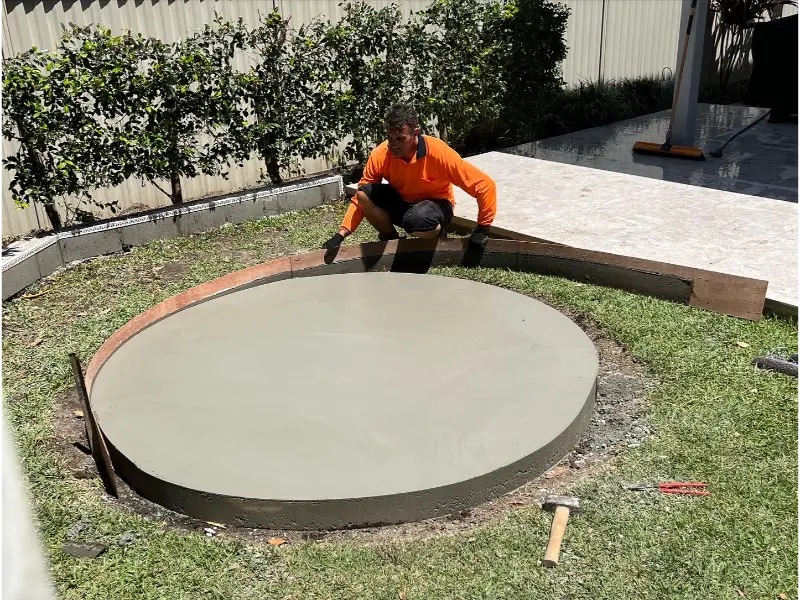
Understanding DIY Concrete Slab When working with DIY concrete, it’s crucial to understand the process thoroughly. Ensuring sufficient subgrade preparation and using the correct tools are vital for a successful project. Additionally, paying attention to weather conditions and reinforcing the concrete adequately can prevent mishaps. Understanding the nuances of the process is essential for a smooth diy concrete floor installation. Utilizing resources such as YouTube tutorials for masonry techniques can be immensely helpful. It’s also important to note that concrete work requires careful handling to avoid chemical burns, making safety precautions a top priority. What is a DIY Concrete Slab? A DIY concrete slab is a rectangular surface made by pouring wet concrete into formwork. It provides a strong base for outdoor applications. The slab’s thickness depends on its intended use and can be reinforced for added strength. When creating a DIY concrete slab, it’s essential to recognize the advantages it offers. These slabs provide a durable and long-lasting solution that can withstand heavy loads and foot traffic. By minimizing the risk of tripping or sinking, they ensure a stable surface for outdoor furniture and pavers. Additionally, DIY concrete slabs enhance the aesthetic appeal of your outdoor space, making them a valuable addition to any property. Essential Tools and Materials for DIY Concrete Slab When working on a DIY concrete slab, it is crucial to have the essential tools and materials ready. The necessary tools include a shovel, level, trowel, and wheelbarrow. Additionally, materials such as concrete mix, reinforcement mesh, and plastic sheeting are required. Ensuring you have all these items on hand will streamline the process and prevent delays. It’s also important to have helpers available to assist with tasks that require additional manpower. For a successful DIY slab project, obtaining the necessary tools is crucial. You’ll need a tamper to compact the soil and a mixer, wheelbarrow, and cutter for the concrete mix. Safety is paramount, so don’t forget goggles, long pants, and proper footwear. Additionally, formwork requires pegs, trench mesh, and a carpenters’ center. Finally, finishing tools include a steel trowel, concrete contractor, and a bull float to ensure a smooth and level concrete floor. Step-By-Step Guide to Forming and Pouring a DIY Concrete Slab Preparing the site involves clearing the area of any debris and vegetation to ensure a firm foundation. Setting and leveling one side is crucial for determining the slab’s final height and slope. Staking and bracing the side form provides support to prevent the concrete from leaking out. Squaring, leveling, and staking the other sides ensure that the slab has straight and even edges. Filling and leveling the area with the right amount of concrete ensures uniformity in the slab’s thickness. Packing the fill firmly will prevent the formation of air pockets. Tying in the rebar for slab strength is essential for reinforcing the concrete floor. Before starting the concrete pouring process, it’s crucial to ensure that the ground is properly compacted to avoid any future issues with the concrete floor. Additionally, removing any debris, rocks, or roots from the designated area is essential to achieve a smooth surface for the slab. Using a plate compactor can help in achieving a solid and even surface, reducing the risk of chemical burns and other safety hazards during and after the concrete pouring. Considering the moisture levels and forecasted weather when preparing the site is imperative for the stability and integrity of the concrete slab. Finally, digging the area to the correct depth is vital for ensuring the width and strength of the slab, preventing any potential issues or the need for extensive repairs in the future. Staking and Bracing the Side Form To secure the formwork from movement, stakes should be placed at regular intervals, and the formwork should be braced to prevent any bowing, bulging, or shifting. Using a rubber mallet for driving the stakes into the ground adds stability. It’s crucial to verify the alignment of the formwork to ensure it matches the intended slab dimensions. Carefully placing and bracing the side form is essential for a well-formed concrete slab. Ensuring accuracy in your concrete slab project involves precisely squaring, leveling, and staking the formwork. These foundational steps are crucial for the durability and longevity of the concrete floor. Taking time to achieve precision during this stage is essential for a successful project outcome. Accurate squaring, leveling, and staking directly impact the quality of the concrete slab and reduce the risk of potential issues such as chemical burns. To achieve professional results, it’s important to dedicate efforts to these tasks. Filling and Leveling Achieving a uniform surface for the concrete slab begins with evenly filling and leveling the formwork. This foundational step sets the stage for a smooth and professional-looking concrete floor. Consistency in this process is crucial as it directly impacts the strength of the concrete slab. Precision is key to ensuring that potential issues are prevented in your concrete slab project. Each inch matters, and proper filling and leveling will help prevent future problems, making the project much more manageable. Properly compacting the fill material is essential for creating a sturdy base for your slab project. Well-packed fill material establishes a robust foundation for the concrete slab, preventing settling and unevenness. This meticulous compaction minimizes the risk of future settlement, influencing the stability of the concrete slab. By ensuring the density of the fill material, you contribute to the overall strength and durability of your floor. Tying in the Rebar for Slab Strength Tying in the rebar fortifies the concrete slab, enhancing its strength and durability. Properly executed rebar tying provides essential structural support for your project, boosting the load-bearing capacity and resistance to potential cracking. Implementing a comprehensive rebar tying strategy is crucial to strengthen your slab, ensuring its longevity and reliability. Preparing for the Concrete Truck Proper planning for the arrival of the concrete truck is crucial for an efficient and safe pouring process. Adequate preparation streamlines the pouring phase, minimizing potential disruptions and delays in your