Concrete Flooring: A Modern Choice
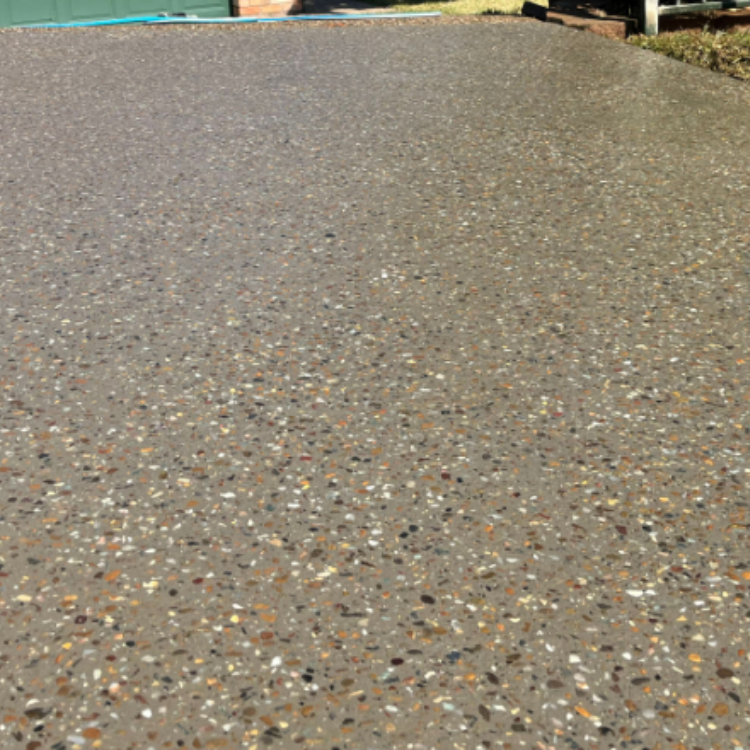
Concrete flooring is gaining popularity as a modern flooring choice due to its decorative options, versatility, and durability. With advancements in design style and technology, concrete floors have become more than just a basic flooring material. From decorative concrete floors to polished concrete surfaces, homeowners and commercial spaces are embracing concrete flooring for its modern appeal and. In this blog, we will explore the reasons why concrete flooring is a popular choice, the pros and cons of choosing concrete floors, and the key considerations to keep in mind before opting for this flooring option. What Makes Concrete Flooring a Modern Choice? Concrete flooring has gained popularity in recent years due to its modern appeal and various benefits. From affordability to versatility in design options, concrete flooring offers a range of advantages. It is a sustainable choice that requires easy maintenance and cleaning, making it ideal for pet owners. Improved indoor air quality is an added bonus. Affordability of Concrete Flooring When considering flooring options, the affordability of concrete should not be overlooked. Its cost per square foot is competitive, making it an attractive choice for many. Additionally, decorative finishes offer an affordable solution, especially in commercial spaces, while its durability minimizes the need for frequent replacement, reducing long-term costs. The minimal maintenance required for polished concrete floors further adds to its cost-effectiveness for both homeowners and commercial properties. Indoor concrete flooring also eliminates the need for frequent replacement, contributing to lower long-term maintenance expenses. Versatility of Design Options – polished, laminate, mop, vinyl decorative concrete floors With a variety of textures, decorative overlays, and finishes, concrete flooring caters to diverse design preferences both basic and advanced. Polished concrete surfaces, including decorative overlay and polished concrete finishes, offer flexibility for different design styles. Indoors, concrete flooring can be customized to enhance overall aesthetics, matching existing design styles. The design versatility accommodates preferences from commercial settings to residential areas, allowing for design flexibility to complement specific themes without mentioning the primary keyword. Pros of Choosing Concrete Flooring With its inherent durability and longevity, a concrete slab offers a low-maintenance flooring solution. The versatility of concrete polishing allows for various design options, including the look of ceramic tile or the addition of area rugs to soften spaces. Additionally, the use of epoxy coatings and dyes provides customization in commercial areas like cafes. When considering the cons, occasional odors or dampness can be mitigated with simple maintenance practices, such as mopping or the use of appropriate sealants. Sustainability Factor in Concrete Flooring Contributing to sustainable design practices, concrete flooring supports environmentally conscious options. Polished concrete services provide low-maintenance and long-lasting solutions, reducing the need for frequent replacements and material waste. Indoor concrete flooring offers sustainable benefits, minimizing environmental impact and aligning with sustainable design practices. Decorative concrete floors offer long-term durability and low maintenance, promoting sustainable design. Easy Maintenance and Cleaning Polished concrete floor maintenance is effortless, requiring minimal upkeep for long-term durability. It’s easy to maintain, with simple cleaning methods like mopping and occasional sealing. Decorative concrete finishes offer low-maintenance flooring solutions, reducing the need for frequent cleaning. Polished concrete services simplify maintenance, providing easy cleaning and long-term durability for homeowners and commercial spaces. The low maintenance makes it a convenient flooring choice for both residential and commercial settings. Pet-Friendliness and Improved Indoor Air Quality Enhancing indoor air quality, concrete flooring creates a healthier environment for pets and occupants. Its pet-friendly polished finishes offer durability and easy maintenance, catering to pet owners. Moreover, decorative concrete options not only enhance living spaces but also promote improved indoor air quality. By choosing concrete flooring, homeowners can ensure a healthy indoor environment for their pets and family members. Potential Downsides of Concrete Flooring Installation time and cost can be higher for concrete flooring, impacting construction timelines and budgets. Occasional resealing is required to maintain the quality and durability of the concrete slab. In colder climates, concrete flooring may feel excessively cold and is prone to cracks. However, these issues can be mitigated with area rugs and regular maintenance. While there are downsides to consider, the overall benefits of concrete flooring outweigh the cons, making it a suitable choice for various settings. Careful planning, professional assessment, and accurate cost estimation are crucial for the installation of decorative concrete flooring. Factors such as surface preparation, design complexity, and square footage significantly impact the installation time and cost. Additionally, the installation cost varies based on the design style, surface area, and project complexity. It’s important to consider factors like design complexity, slab preparation, and surface area for precise cost estimation. Effective management of installation time and cost is essential for successful decorative concrete flooring installations. Occasional Resealing Requirement To maintain the durability, appearance, and protective sealer of decorative concrete floors, periodic resealing is essential. It safeguards the surface, ensuring long-term durability and resistance to stains. Decorative concrete finishes may require periodic resealing to uphold their sheen, functionality, and stain resistance. Additionally, resealing polished concrete floors is essential to preserve their durability, sealer integrity, and functionality. Indoor concrete flooring may also necessitate occasional resealing to maintain its durability, moisture resistance, and functionality. During cold winters, proper installation of concrete flooring minimizes the risk of cracks. The durability of concrete floors makes them resistant to cracking from temperature changes. They can also be enhanced with heating systems to combat potential cracking in extreme cold. Low maintenance and proper sealing further protect against moisture, reducing the risk of cracking. This makes concrete flooring a practical choice for areas with harsh winter conditions. Concrete Flooring Options and their Unique Features When considering concrete flooring options, it’s essential to explore the unique features they offer. From concrete polishing for a sleek finish to the use of dyes and coatings for customized designs, the possibilities are extensive. Moreover, the installation of area rugs and the incorporation of ceramic tiles can add both style and functionality to the space. Additionally, the application of epoxy coatings and the use of different textures, such as gravel or
Choose Your Coloured Concrete Colours: The Ultimate Guide

Are you considering adding a touch of color to your concrete project? Colored concrete is a versatile and durable solution that can enhance the aesthetic appeal of any space, whether residential or commercial. With a wide range of colors, textures, and finishes available, choosing the perfect coloured concrete can seem overwhelming. But fear not! In this blog, we will guide you through the process of selecting the right colored concrete for your project, explore the benefits of colored concrete, and provide tips for care and maintenance. So let’s dive in and discover how colored concrete can transform your space! Understanding Coloured Concrete Coloured concrete offers a wide range of possibilities for enhancing the aesthetics of your space. With years of experience in the industry, professionals can provide expert advice on colour matching and the available options. From CCS to NSW, Perth to Brisbane, various regions offer diverse choices in coloured concrete. Understanding the nuances of this material allows you to make informed decisions for your project. Coloured concrete is a blend of cement, aggregates, pigments, and oxides, resulting in a wide range of hues. Homeowners have various options when it comes to selecting concrete colors for their projects. This versatile material is commonly used in pathways, roadways, patios, and walkways. Decorative finishes like stains and boulevard can enhance the appearance of coloured concrete. Benefits of Coloured Concrete Adding vibrancy to indoor and outdoor spaces, colored concrete provides a lasting flooring solution that contributes to a modern and attractive aesthetic. The variety of colored concrete colors creates a pleasing and inviting environment while enhancing the visual appeal of pavers and finishes. With years of experience, a friendly team can help in color matching and providing colored concrete swatches, ensuring a seamless integration with the existing design. Textures and Finishes Available in Coloured Concrete Exploring the various textures and finishes available in coloured concrete offers a myriad of options for enhancing your project. With years of experience in the industry, professionals can guide you on colour matching, ensuring that the final result meets your vision. From integrally coloured concrete in Perth to full depth coloured concrete in Brisbane, the options are diverse and cater to different needs. Understanding the characteristics of CCS and NSW finishes is crucial in selecting the most suitable texture for your specific application. Coloured concrete finishes offer a variety of options for creating visually appealing surfaces. Stains can be used to achieve a natural appearance for pathways in Newcastle. Pathways can be designed with an array of hues and finishing techniques using coloured concrete. These finishes, along with hardeners, contribute to the durability of the surface. It is essential to maintain consistency in the application of coloured concrete, finishes, and aggregates, particularly for walkways that require a uniform and durable texture. How Finishes Enhance the Look of Coloured Concrete Enhancing the aesthetics of public spaces, grey-colored concrete and decorative finishes offer a natural look for boulevard pathways. Coloured concrete finishes, stains, and hues elevate the look of roadways, creating a visually appealing environment. Moreover, the use of earth tones and finishing techniques ensures a durable surface that is consistent and long-lasting, crucial for walkways, and public areas. Full depth coloured concrete, combined with the right finishing techniques, provides a robust and attractive surface, perfect for enhancing the overall look of any space. Varieties of Coloured Concrete Swatches Explore a range of coloured concrete swatches to find the perfect match for your project. With years of experience in colour matching, our CCS swatches offer a diverse selection to suit various design aesthetics. Whether you’re in NSW, Perth, Brisbane, or any other location, we have the ideal hues and tones to complement your vision. Our integrally coloured concrete swatches and full-depth options provide versatility and durability, ensuring a lasting and vibrant finish. Displaying a variety of hues, aggregates, and finishing options, integrally coloured concrete swatches exhibit the versatility of decorative concrete. These swatches showcase a wide range of natural materials, finishes, and durable coloured concrete, allowing for precise colour matching and selection. Whether in NSW, Perth, or Brisbane, the colour card and finishing options in these swatches reflect years of experience in the industry. From coloured cement to various finishing techniques, integrally coloured concrete swatches offer an extensive display of possibilities for enhancing concrete surfaces. Full Depth Coloured Concrete Swatches Exhibiting a diverse array of natural materials, pigments, and finishing options, full depth coloured concrete swatches showcase various concrete colors, finishing techniques, and hues. These swatches boast durable finishes, aggregates, and a range of coloured cement finishes and natural materials. Showcasing the application of coloured concrete and meeting Australian standards, these swatches are essential for colour matching and can be found in locations such as NSW, Perth, and Brisbane, reflecting years of experience in the industry. Selecting The Right Colour for Your Project When choosing the perfect color for your project, it’s essential to consider factors such as the surrounding environment, intended mood, and architectural design. With years of experience in colour matching, our team can help you find the ideal shade to complement your vision. Whether you’re located in NSW, Perth, Brisbane, or elsewhere, our comprehensive range of CCS swatches ensures that you’ll have plenty of options to choose from. We understand the importance of selecting the right color, and we are here to guide you through the process. When choosing a color for your concrete, it’s essential to consider a range of hues to suit different design needs. The color hardeners used in colored concrete not only provide a natural look but also offer durability. Opting for concrete finishes in earth tones can provide a timeless appeal. Working with a professional team can ensure homeowners achieve satisfactory color matching. Additionally, it’s reassuring to know that the colored concrete colors, pigments, and aggregates meet Australian standards. With years of experience, our team is dedicated to making color selection a seamless process for our clients. Tips for Matching Concrete Colour with Building Design When considering concrete color options,
Guide to Cost of M2 Concrete in Gold Coast 2024

https://youtube.com/watch?v=FcMJOvoqt8E%3Fshowinfo%3D0 Concrete is a versatile and durable building material that is commonly used in a wide range of construction projects. Whether you are planning a residential or commercial project in the Gold Coast, it is important to understand the cost dynamics of concrete per square meter (m2). The cost of M2 concrete can vary depending on various factors such as the type of concrete, size of the job, and labor costs. In this guide, we will delve into the different aspects of concrete pricing in the Gold Coast, providing you with the information you need to make informed decisions and optimize your concrete project budget. Understanding the Cost Dynamics of M2 Concrete Slab in Gold Coast When it comes to understanding the cost dynamics of M2 concrete in the Gold Coast, there are several key factors to consider. The cost of concrete per square meter can vary depending on the type of concrete, the size of the job, and the labor costs involved. By understanding these dynamics, you can better estimate the overall cost of your concrete project and make informed decisions. In the following sections, we will take a deeper look at the basics of concrete pricing, the factors influencing the price of concrete per square meter, the different types of concrete and their costs, labor pricing, and how to optimize your concrete project budget. The Basics of Concrete Pricing Concrete pricing is influenced by a variety of factors. The cost of concrete is typically measured per cubic metre, which allows for an accurate estimation of the quantity of concrete needed for a project. However, when it comes to pricing, the cost per square metre is often used to assess the overall cost of a concrete job. The pricing of concrete includes the cost of the materials, labor, and machinery required for the job. The cost of the materials, such as cement, aggregate, and additives, can vary depending on their quality and availability. Labor costs are determined by the complexity of the job, the local area pricing, and the experience of the concreter. Machinery costs, such as the use of a concrete pump or heavy vehicles, can also impact the overall cost of the concrete job. For a plain concrete job, the cost per square metre can range from $50 to $150, depending on the size of the job and the local pricing. It is important to note that these prices are indicative and can vary based on the specific requirements of the project. Obtaining accurate quotes from local concreters is essential to determine the exact cost of a concrete job. Factors Influencing the Price of Concrete per Square Meter The regional pricing of concrete, like in Gold Coast, leads to varying costs. Usage of heavy vehicles, concrete pumps, and easy access influences the per square meter cost. When estimating, factors like finish type, job size, and durability must be considered. Small projects, decorative finishes, and plain slabs may have different pricing. Unique cost dynamics exist in regions like Northern Territory and Tasmania. Delving Deeper into Concrete Types and Their Costs Exploring various types of concrete and their respective costs is essential for informed decision-making. Concrete types such as standard, decorative, and slabs each come with their specific pricing based on factors like durability and finish. Factors impacting costs include location-related variations in pricing, with cities like Sydney, Perth, Adelaide, Melbourne, and Brisbane often showing varying cost trends. Additionally, the thickness of the concrete, typically measured in inches, influences the overall cost, alongside other considerations like GST and the quantity required for a wheelbarrow. This comprehensive understanding aids in making cost-effective choices while ensuring durable outcomes. Concrete costs per m2 Navigating concrete costs per square meter is a crucial aspect of any construction or renovation project in Gold Coast. Understanding the intricacies of pricing can significantly impact your budget and project planning. Factors such as the type of concrete, project size, and additional services can all contribute to the overall cost per m2. In our detailed guide, we break down the key elements influencing concrete prices, providing you with valuable insights to make informed decisions. Whether you’re embarking on a residential or commercial project, this resource will help you unravel the complexities of concrete costs per m2, ensuring a smoother and more cost-effective construction journey with Harcrete Gold Coast Concreters. Cost of m2 concrete in Gold Coast Decorative Concrete: An Overview and Cost Analysis When considering decorative concrete, various factors influence the overall cost. These include the type of finish, dyes used, resurfacing requirements, and labor expenses. The pricing per square meter is also impacted by formwork and machinery costs. Selecting the right concreter for your decorative project is crucial as it ensures accurate quotes and a high level of professionalism. It’s essential to weigh the cost of decorative concrete for small projects, pathways, and resurfacing jobs in the Gold Coast area. Local concreters typically provide detailed written quotes, offering a clear understanding of the expenses involved. Concrete Slabs: Varieties and Cost Factors Concrete slabs come in various types, each impacting the overall cost differently. Factors such as finish type, durability, and aggregate costs play a crucial role in determining the overall expenses. Additionally, concreters’ pricing for these slabs varies based on the job size, decorative finish, and overall project costs. The type of concrete used and labor expenses also contribute to the varying costs per square meter. Understanding the nuances of cost dynamics for patio, footpaths, and small jobs in the Gold Coast area is essential. It’s recommended to obtain accurate quotes from local concreters to comprehend the cost factors associated with concrete slabs. Labour Pricing for Concrete in Gold Coast Understanding the costs involved with concrete projects ensures proper budgeting. Labour pricing for concrete in Gold Coast is influenced by various factors, including the type of project and expertise required. Factors such as the size of the concrete slab, the complexity of the design, and additional services like creating a durable concrete driveway affect the
Concrete vs Brick: Pros and Cons
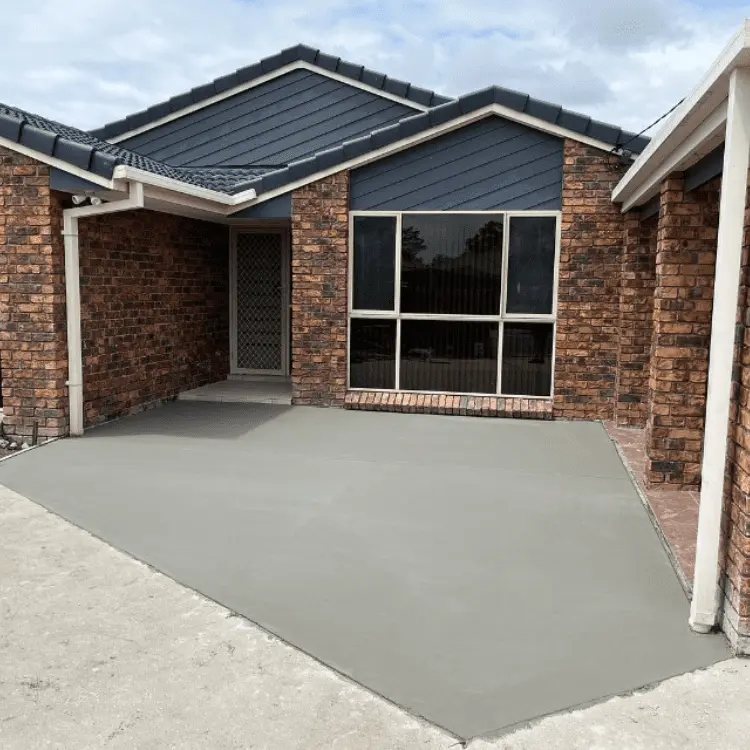
Understanding Concrete vs Brick Concrete vs BrickConcrete and brick are both widely used in construction, with key differences in composition and properties. Brick, a traditional choice, is made of masonry units like clay, while concrete comprises pure concrete or solid concrete blocks. Both materials offer a lot of thermal mass, making them ideal for maintaining a consistent indoor temperature. However, brick tends to provide better insulation properties than standard concrete blocks, which can impact HVAC costs over the long term. When considering pest control, brick may be more prone to pests due to its porous nature, while solid concrete blocks offer higher resistance. The Construction Material: Concrete When considering construction material options, it’s important to note that concrete masonry construction offers exceptional durability and requires minimal maintenance. The carbon footprint of concrete blocks is significantly lower than that of traditional clay bricks, making it an environmentally friendly choice. Additionally, pure concrete has a lot of thermal mass, providing excellent insulation properties. These key differences make concrete a top choice for construction projects looking to prioritize sustainability and longevity. The Traditional Choice: Brick When it comes to traditional construction materials, clay bricks are often the preferred choice due to their natural composition and exceptional thermal mass. These masonry units offer excellent insulation properties, effectively resisting fire and mold, making them a reliable option for pest control in construction projects. With their high thermal mass, clay bricks ensure consistent indoor temperatures, providing a comfortable environment while reducing HVAC usage. The key differences in thermal performance between brick and pure concrete make them the right choice for both residential and commercial buildings. Comparing Strength: Concrete Vs Brick Strength is a key consideration when comparing concrete and brick. Concrete, with its pure composition and solid masonry units, offers a lot of thermal mass, making it resilient against impact and weather. On the other hand, brick, known for its standard and solid masonry units, provides durability over a long time and is the right choice for pest control. The key differences in strength lie in the composition of lime, as well as the structure and weight of each material. Strength of Concrete Highly durable, concrete blocks offer long-term stability and strength due to the heavy materials used, providing high compressive strength. The masonry units ensure a lot of thermal mass, making pure concrete the right choice for construction projects requiring robustness. With its average concrete block weighing about 30 lbs, it provides excellent pest control properties and offers advantages in HVAC efficiency. Additionally, its design makes it resistant to pests and fireplaces, although it also has some disadvantages. Strength of Brick Traditional clay bricks provide a compressive strength of at least 3000 psi, ideal for various construction projects. These masonry units offer durability and stability, making them a popular choice for building structures. The strength of brick lies in its ability to withstand heavy loads and provide long-term reliability for different architectural applications. With their impressive compressive strength, clay bricks continue to be the right choice for construction projects requiring solid and enduring materials. Evaluating Insulation Properties When considering insulation properties, the comparison between concrete and brick is crucial. Concrete masonry units offer a lot of thermal mass, providing significant insulation value per square inch. On the other hand, brick is a solid and dense material, offering a high level of insulation due to its masonry composition. Understanding these key differences is essential in making the right choice for your project’s insulation needs. Insulation Value of Concrete When considering insulation value, concrete blocks offer protection against moisture, mildew, and humidity. Their ability to provide energy-efficient properties for construction is notable, making them a right choice for sustainable builds. With a lot of thermal mass, the masonry units of pure concrete offer excellent insulation. The entire block acts as an insulator, helping maintain HVAC efficiency while keeping pests at bay. These characteristics make solid concrete blocks a preferred option for structures requiring efficient pest control and temperature regulation. Insulation Value of Brick Brick walls provide exceptional insulation value, effectively regulating temperature and humidity, making them ideal for construction purposes. The thermal mass offered by brick partitions significantly reduces heating costs, making it a cost-effective choice for property owners. When considering insulation properties, the use of brick as a building material has clear advantages, especially in regions with fluctuating temperatures. The Weight Debate: Concrete or Brick When it comes to comparing the weight of concrete and brick, one of the key differences lies in their density per square inch. Pure concrete generally has a lot of thermal mass, making it heavier compared to the average concrete block. On the other hand, bricks are lighter due to the presence of cavities throughout the entire block. This difference in weight can impact various aspects of construction, such as the load-bearing capacity, foundation requirements, and even transportation costs. Understanding the weight variances between these masonry units can help in making the right choice for different structural needs. Weight of Concrete Concrete, being notably heavier than traditional clay bricks, can impact transportation costs. The substantial weight of concrete necessitates careful handling and construction techniques. Additionally, the weight-bearing capacity of concrete blocks is determined by their compressive strength, influencing the type of construction and foundation required. It’s essential to consider these factors when determining whether pure concrete or brick is the right choice for a project. Weight of Brick Traditional clay bricks, known for being lighter than concrete blocks, have a significant impact on the overall load-bearing capacity of a structure. Their reduced weight not only lessens transportation costs but also eases handling and installation. The compressive strength of bricks is a key factor in determining their weight and the load they can bear. This makes them a favorable choice in construction projects where weight is a critical consideration. Analyzing Cost Factors Analyzing the Financial Aspects: When it comes to cost, the expenses for masonry units and pest control need consideration. Understanding the key differences in the cost of pure concrete